


 Create a modern cloud environment


Microsoft Defender XDR
Microsoft Defender XDR is the leading Extended Detection and Response platform (formerly Microsoft 365 Defender) that protects organizations with integrated visibility, automated attack mitigation, and AI-driven response capabilities.What is Microsoft Defender XDR?
Microsoft Defender XDR is Microsoft’s integrated platform for Extended Detection and Response. It aggregates signals from various security domains, including endpoints, identities, email, collaboration apps, IoT, SaaS applications, and cloud workloads, and remediates, investigates, and disrupts cyberattacks across the entire attack chain.
The platform strengthens organizations’ Zero Trust posture by providing real-time visibility, automated threat interruption, and remediation capabilities, fully supported by AI and Microsoft Security Copilot.
Microsoft Defender Features
Microsoft Defender XDR delivers a deeply integrated security approach that automatically detects, prioritizes, and stops advanced threats. Thanks to the combination of AI analysis, automated intervention, and chain-wide correlation, a SOC team gains immediate insight at the incident level.
Key features include:
- Prioritized incident analysis across the entire attack chain
- Automatic attack interruption, stopping lateral movement at machine speed
- AI-driven investigation and response, supported by Microsoft Security Copilot
- Automatic remediation of compromised assets, such as endpoints, identities, and mailboxes
- A single, unified view of email, endpoints, SaaS apps, identities, and the cloud
This makes the platform a powerful integrated security solution that proactively protects against advanced attacks such as ransomware, phishing, identity-based threats, and cloud attacks.
Benefits
-
Fully integrated security platform—Defender XDR combines signals from endpoints, email, identities, SaaS apps, and the cloud into a single, coherent incident view. This enables faster correlation and reduces noise through AI-prioritized alerts.
-
Automatic Attack Interruption - Cyberattacks are automatically disrupted, stopping anomalous behavior—including ransomware chains or lateral movement—at an early stage.
-
AI-Driven SOC Productivity - With Security Copilot in Defender XDR, analysts can run complex queries in natural language, analyze incidents faster, and automate remediation.
-
Less management, faster recovery—Automation significantly reduces the manual workload for SOC teams. Defender XDR automatically performs recovery actions on endpoints, identities, and mailboxes, minimizing damage and reducing response times.
















Want to know more?
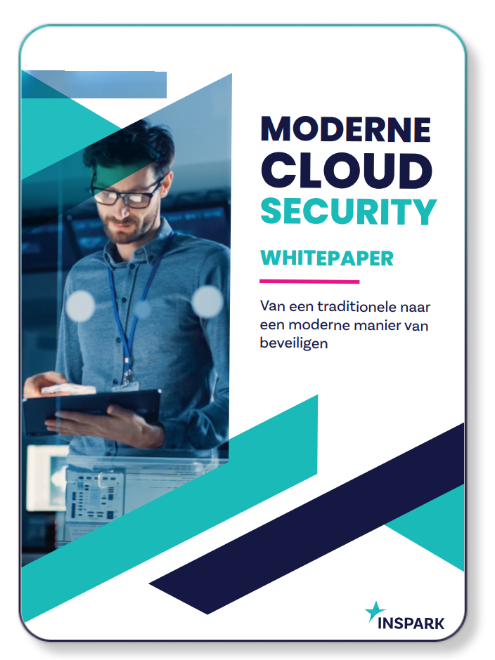
Traditional security solutions provide protection by isolating an IT environment from the outside world, for example, using firewalls and VPN tunnels. But the days when this was considered effective security are now over; this approach is no longer sufficient in a cloud-based world. This is because the cloud is accessible 24/7 via the public internet. Your data must therefore be protected at all times, even outside the walls of your organization.
In this white paper, you’ll learn:
-
Why is traditional security no longer sufficient today?
-
How should you secure your cloud environment, and what security layers are involved?
-
What does “assume breach” mean? And why should you adjust your security strategy accordingly?
-
Why is the "protect-detect-respond" principle so important for a cloud security strategy?
-
What should you consider when deciding between “doing it yourself” and “outsourcing”?